
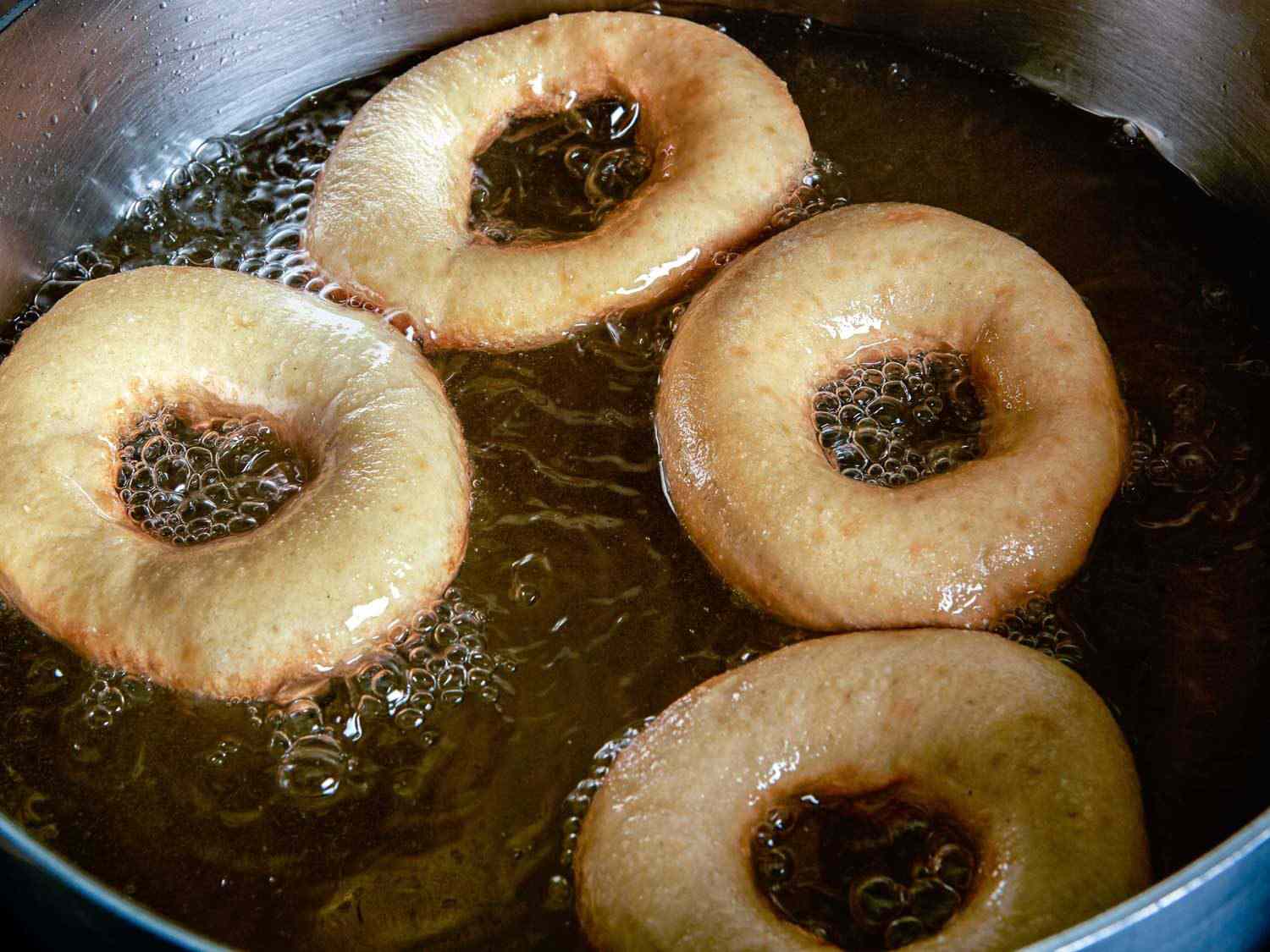
Frying doughnuts to perfection is an art that hinges on several factors, with the choice of oil being paramount. The right oil can elevate the flavor and texture of your doughnuts, making them irresistibly delicious. Understanding the secrets behind using the best oil for frying can transform your homemade treats into bakery-quality delights.
The first secret lies in selecting an oil with a high smoke point. The smoke point is the temperature at which an oil begins to break down and produce smoke, affecting both flavor and safety. For frying doughnuts, oils like canola, peanut, or sunflower are ideal due to their high smoke points ranging between 400°F (204°C) and 450°F (232°C). These oils maintain stability under heat, ensuring that your doughnuts cook evenly without acquiring burnt flavors.
Another crucial aspect is considering the flavor profile of the oil. Neutral-flavored oils such as canola or vegetable oil are preferred because they do not overpower the sweet taste of best oil for frying doughnuts also works well if you desire a slightly nutty undertone without overshadowing other ingredients.
Cost-efficiency plays a role too; while some might consider olive or coconut oil for health benefits, these options can be expensive when used in large quantities required for deep-frying. Additionally, their distinct flavors may not complement traditional doughnut recipes.
Temperature control is another secret weapon in achieving perfect results. Maintaining an optimal frying temperature between 350°F (177°C) and 375°F (190°C) ensures that doughnuts cook through without absorbing excess oil—a common pitfall leading to greasy outcomes. A kitchen thermometer becomes indispensable here; it helps monitor temperatures accurately so adjustments can be made promptly if needed.
Equally important is managing how much food goes into each batch—overcrowding lowers overall temperature quickly due to increased moisture content from multiple pieces cooking simultaneously—resulting in unevenly cooked products potentially soaked with extra fat instead!
Reusing old fry-oil poses risks too: breakdown occurs after repeated use causing off-flavors plus diminished quality over time! Straining impurities post-cooking extends lifespan somewhat but eventually fresh batches must replace old ones entirely before adverse effects manifest visibly/taste-wise alike!
Finally—and perhaps most importantly—is proper storage/disposal practices afterward: once cooled completely discard responsibly via designated facilities avoiding environmental harm caused by improper disposal methods like pouring down drains/sewers etc., thus preserving ecological integrity alongside culinary excellence achieved previously within kitchens worldwide alike today tomorrow always!